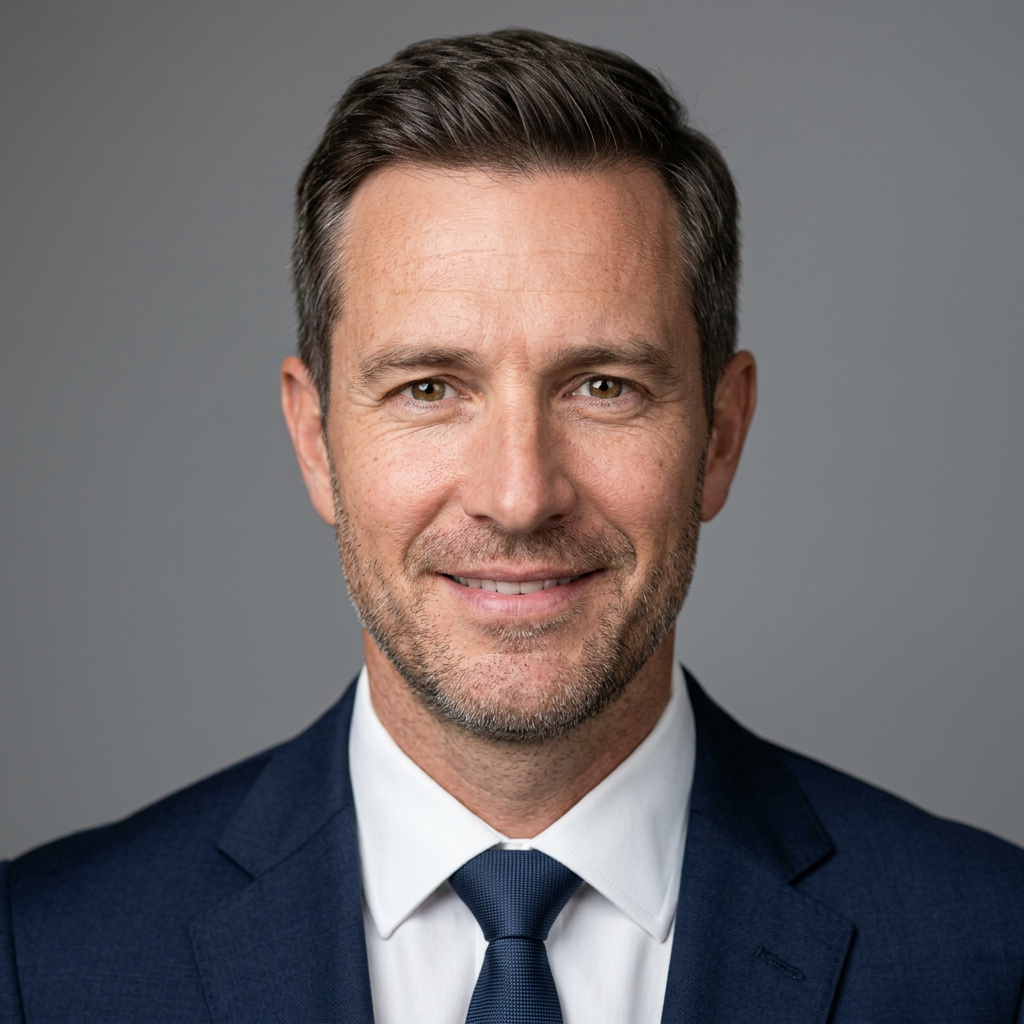
Alfred Deakin: Australia’s Second Prime Minister and Federation Leader
There’s something quietly magnetic about a leader who turns down a knighthood, gives up meat, and spends his spare time writing about the nature of God — Alfred Deakin, Australia’s second prime minister, was that kind of leader. He helped weld six colonies into a nation, served three non-consecutive terms, and kept a private spiritual life that most history books barely mention.
Born: 3 August 1856, Fitzroy, Melbourne ·
Died: 7 October 1919, Melbourne (aged 63) ·
Prime Minister terms: Three non-consecutive (1903–1904, 1905–1908, 1909–1910) ·
Key achievement: Leader of the movement for Australian federation ·
Declined knighthood: Yes, in 1907
Quick snapshot
- Born 3 August 1856 in Melbourne (Museum of Australian Democracy)
- Second prime minister of Australia (National Museum of Australia)
- Served three non-consecutive terms: 1903–1904, 1905–1908, 1909–1910 (National Archives of Australia)
- Declined a knighthood in 1907 (Wikipedia)
- Whether Deakin was fully vegan or ovo-lacto vegetarian
- Exact details of his daily diet
- The full extent of his private religious practices beyond theosophy
- 1856: Born in Fitzroy, Melbourne
- 1901: First Attorney-General of Australia
- 1903–1910: Three terms as Prime Minister
- 1919: Died in Melbourne
- Deakin’s federation legacy remains central to Australian national identity
- Deakin University continues to honour his name
- Historians increasingly explore his spiritual and dietary choices
Eight key facts about Deakin, one pattern: a man whose public achievements were matched by unusual personal convictions.
| Attribute | Value |
|---|---|
| Full name | Alfred Deakin |
| Born | 3 August 1856, Fitzroy, Victoria, Australia |
| Died | 7 October 1919 (aged 63), Melbourne, Victoria |
| Political party | Protectionist Party / Liberal Party |
| Spouse | Pattie Browne (m. 1882) |
| Children | 3 daughters |
| Prime Minister terms | 1903–1904, 1905–1908, 1909–1910 |
| Known for | Federation, protectionist trade policy, Deakin University namesake |
What is Alfred Deakin best known for?
His role in Australian federation
Deakin was a leading advocate for uniting Australia’s six colonies into a single nation. He attended the constitutional conventions of 1891 and 1897–98, helping draft the Australian Constitution (Museum of Australian Democracy). In 1900 he travelled to London as part of the delegation that steered the Australian Colonies Government Bill through the British Parliament.
His three terms as Prime Minister
Deakin became prime minister after Edmund Barton resigned to join the High Court. He served three separate terms: 1903–1904, 1905–1908, and 1909–1910 (National Archives of Australia). His final term, which he considered his most productive, saw the Fusion of 1909 that created Australia’s first majority government and marked the beginning of a two-party system.
Key legislative achievements
During his time in office, Deakin helped establish the High Court of Australia and introduced old-age pensions (National Museum of Australia). He also pursued protectionist trade policies that shaped early Australian economic strategy.
Deakin’s federation work and three terms made him the central figure of Australia’s early political identity. Without him, the nation might have stumbled into unity rather than stepping into it with purpose.
The implication: Deakin’s public achievements were not accidental — they were driven by a disciplined, intellectually restless mind.
Did Alfred Deakin turn down a knighthood?
The offer of knighthood in 1907
King Edward VII offered Deakin a knighthood in 1907. The honour was a standard recognition for a serving prime minister in the British Empire.
Reasons for declining
Deakin reportedly believed that accepting a title would conflict with his republican sympathies and his vision of an independent Australian identity (National Museum of Australia). He was known to value substance over ceremony.
Public and political reaction
His refusal was widely reported and generally respected, even by those who disagreed with his politics. It cemented his reputation as a principled leader who put national ideals above personal prestige.
What this means: Deakin’s knighthood refusal was not a minor eccentricity — it was a deliberate statement about what kind of nation Australia should become.
The same man who led Australia into the British Empire’s embrace also rejected one of its highest honours. Deakin understood that independence and loyalty could coexist — but not at the cost of self-respect.
Was Alfred Deakin a vegan?
Deakin’s dietary habits
Later in life, Deakin adopted a vegetarian diet, influenced by his involvement with theosophy and spiritualism (Museum of Australian Democracy). Historical records confirm he avoided meat, but there is no definitive evidence he was a strict vegan.
His interest in spirituality and health
Deakin’s religious and philosophical explorations led him to the Theosophical Society, which promoted a meatless diet as part of spiritual purification. He also became a teetotaler.
Evidence from historical records
Contemporary accounts describe his diet as vegetarian, but the specifics — whether he consumed dairy or eggs — remain unresolved in the historical record.
The catch: Deakin’s dietary choices are often overstated by modern wellness blogs. The hard evidence confirms vegetarianism, not veganism — a distinction that matters for accuracy.
Where was Alfred Deakin born?
Birthplace in Melbourne
Alfred Deakin was born on 3 August 1856 in Fitzroy, Melbourne, to William Deakin and Sarah Bill. His family was of modest means but valued education.
Family background
His father worked as a clerk and later a storekeeper. Deakin was the second of two children and grew up in a home that encouraged reading and debate.
Early education
He attended Melbourne Grammar School and then studied law at the University of Melbourne, where he graduated and was admitted to the bar in 1877.
The pattern: Deakin’s rise from a middle-class Melbourne upbringing to the nation’s highest office was powered by a relentless intellectual drive and early exposure to political ideas through David Syme, proprietor of The Age.
What role did Alfred Deakin play in Federation?
Advocacy for federation
Deakin emerged as a principal advocate for federation alongside Edmund Barton in the late 1890s. He was a leading figure in the movement that culminated in the Commonwealth of Australia in 1901.
Participation in constitutional conventions
As a delegate to the Australasian Federal Convention of 1897–98, Deakin served on the Constitution drafting committee and argued forcefully for a strong federal government.
First Attorney-General of Australia
After federation, Deakin became Australia’s first Attorney-General in Edmund Barton’s cabinet. He used this role to shape the new nation’s legal and constitutional framework.
Why this matters: Deakin wasn’t just a signatory to federation — he was one of its architects, writing the legal blueprints that still govern Australia today.
Timeline
- – Born 3 August in Fitzroy, Melbourne
- – Elected to Victorian Legislative Assembly
- – Became a leading advocate for Australian federation
- – Delegate to the Australasian Federal Convention, helped draft the Constitution
- – Appointed first Attorney-General of Australia
- – First term as Prime Minister
- – Second term as Prime Minister
- – Declined a knighthood
- – Third term as Prime Minister
- – Died 7 October in Melbourne
Clarity check
Confirmed facts
- Deakin declined a knighthood in 1907 (Wikipedia)
- He was a spiritualist and member of the Theosophical Society (Museum of Australian Democracy)
- He played a central role in the federation of Australia (National Museum of Australia)
What’s unclear
- Whether Deakin was completely vegan or ovo-lacto vegetarian
- Exact details of his daily diet
- The full extent of his private religious practices
- Whether he was a vegetarian or fully vegan later in life (Museum of Australian Democracy)
Voices on Deakin
“The unity of the Australian continent is a necessity of nature.”— Alfred Deakin, on federation
“Deakin was a man of immense intellect and subtlety, a true believer in the Australian nation.”— Historian John La Nauze
Deakin’s legacy is not just the federation he helped build or the pensions he introduced — it is the example of a leader who refused to separate public duty from private conviction. For modern Australians wrestling with questions of national identity and political integrity, the choice is clear: remember Deakin as a model of principled governance, or repeat the mistake of forgetting that politics and soul can share the same house.
ebsco.com, insidestory.org.au, brotherhoodbooks.org.au, legalopinions.ags.gov.au, pmtranscripts.pmc.gov.au, kids.britannica.com, gsv.org.au, scootle.edu.au
Frequently asked questions
Why was Alfred Deakin important?
He was a leading figure in the federation of Australia, served as the nation’s second prime minister, and helped establish key institutions like the High Court and old-age pensions.
How did Alfred Deakin die?
Deakin died on 7 October 1919 in Melbourne at age 63. The cause was reportedly a cerebral haemorrhage.
What was Alfred Deakin’s family like?
He married Pattie Browne in 1882 and they had three daughters. He was close to his family and often wrote about his children.
What political party did Alfred Deakin belong to?
He was a member of the Protectionist Party and later the Liberal Party, which he helped form through the Fusion of 1909.
How many times was Alfred Deakin prime minister?
Three times: 1903–1904, 1905–1908, and 1909–1910.
What is Deakin University and why is it named after Alfred Deakin?
Deakin University is a public university in Victoria, named in his honour for his contributions to education and nation-building.
Did Alfred Deakin have any religious beliefs?
Yes, he was deeply spiritual and a member of the Theosophical Society, blending Christianity with mystical and Eastern influences.
What were Alfred Deakin’s major achievements?
Federation, three terms as prime minister, the High Court of Australia, old-age pensions, and his refusal of a knighthood on principle.
Related reading
- Bridget McKenzie Biography – Another Australian political figure shaping policy today.
- Angus Taylor: Net Worth, Wife, Religion & Biography – A contemporary politician whose career reflects the legacy Deakin helped build.
More related posts
 Oscar McInerney Retires After 2025 Premiership Glory
 Hello in Italian: Buongiorno, Ciao & Greetings Guide
 Game of Thrones Cast: Full List, Salaries & Trivia
 48 Inches in CM: Exact Conversion (121.92 cm) + Guide
 Australian Clothing Brands – Top Sustainable Luxury Labels
 Hand Car Wash Near Me: Ireland’s Best Options & Comparisons
 Bella Thorne: Net Worth, OnlyFans Earnings, Zendaya Feud