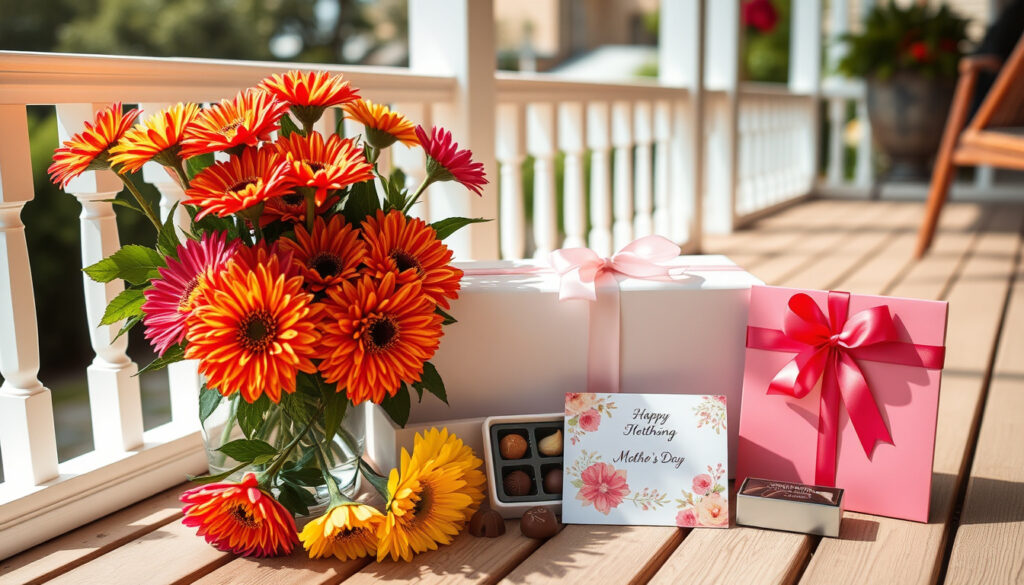
Mother’s Day Australia 2025 – Date, Celebrations and Gift Ideas
Mother’s Day in Australia 2025 falls on Sunday, May 11, marking the second Sunday of May as it does every year. The occasion brings together families across the country to honour mothers and mother figures through gifts, shared meals, and expressions of gratitude. Unlike some public holidays that vary by state, Mother’s Day is observed on the same date nationwide, though it carries no official public holiday status in any Australian jurisdiction.
The celebration follows traditions largely imported from the United States after the holiday’s formalisation there in 1914. While commercial elements have grown significantly since the early twentieth century, the core purpose remains focused on recognising the contributions of mothers. Retail calendars have come to treat Mother’s Day as a key shopping period, with many families planning their tributes well in advance.
For those seeking to mark the occasion in 2025, understanding the date, its status, and the range of available options for celebration can help ensure a meaningful acknowledgment of the mothers in their lives.
When is Mother’s Day 2025 in Australia?
Mother’s Day 2025 in Australia falls on Sunday, May 11. This date places the celebration during the Southern Hemisphere’s autumn, offering families the chance to enjoy the changing seasons together. The date follows the established pattern of the second Sunday in May, which means the annual date shifts between May 8 and May 14 depending on the calendar.
This fixed positioning within the second Sunday of May has remained consistent since Australia’s adoption of the tradition. Future Mother’s Day dates will fall on May 10 in 2026 and May 9 in 2027, following the same Sunday pattern.
11 May 2025
Sunday
No (nationwide)
Flowers, cards, family meals
Key facts about the 2025 date
- The second Sunday in May falls on May 11, 2025
- Mother’s Day has been observed on this date pattern since Australia’s adoption in the 1920s
- The date remains consistent across all Australian states and territories
- Normal Sunday trading hours apply, as the day carries no public holiday status
- Families often begin planning gifts and gatherings several weeks in advance
- The autumn setting provides opportunities for both indoor and outdoor celebrations
Quick reference table
| Fact | Details |
|---|---|
| Official Date Pattern | Second Sunday in May |
| 2025 Date | 11 May 2025 |
| Origin | US-inspired, adopted locally in 1920s |
| Common Gifts | Chocolates, flowers, jewellery, personalised items |
| Public Holiday Status | Not a public holiday |
| 2026 Date | 10 May 2026 |
Is Mother’s Day a Public Holiday in Australia?
Mother’s Day is not a public holiday in any Australian state or territory for 2025. Official government sources, including the Fair Work Ombudsman’s published 2025 public holiday schedule, list only the standard national and state-specific holidays without any mention of Mother’s Day. This places the occasion alongside regular Sundays in terms of official status.
Standard public holidays recognised nationally include New Year’s Day, Australia Day, Good Friday, Easter Saturday, Easter Sunday, Easter Monday, Anzac Day, King’s Birthday (observed on different dates by state), Labour Day (dates vary by jurisdiction), Christmas Day, Boxing Day, and the newly recognised King’s Birthday in relevant states. None of these incorporate Mother’s Day.
State-specific holidays such as Canberra Day in the Australian Capital Territory (March 10) and the Adelaide Cup in South Australia (March 10) appear on their respective state listings, yet none of these variations include Mother’s Day. The National Retail Association’s 2025 Public Holiday Guide similarly makes no provision for Mother’s Day.
Impact on schools and businesses
Because Mother’s Day falls on a Sunday and carries no public holiday designation, schools and businesses operate according to their standard Sunday arrangements. Most retail stores open according to regular Sunday trading hours, though some may extend opening times to accommodate gift shopping.
For employees, this means no automatic day off or penalty rates specifically tied to Mother’s Day. Workers who wish to take the day off must arrange personal leave as they would for any other non-working Sunday. Some employers may choose to close voluntarily or offer flexibility, but this varies by company and is not mandated by any industrial relations framework.
Families should note that Sunday trading hours apply on Mother’s Day. For those planning brunches or outings, checking venue opening times in advance is advisable. Many restaurants and cafes experience high demand and may require reservations well ahead of the date.
How is Mother’s Day Celebrated in Australia?
Australians observe Mother’s Day through a combination of family gatherings, gift exchanges, and expressions of gratitude that closely mirror traditions established in the United States. The celebration emphasises quality time between mothers and their families, often featuring shared meals, particularly brunches at cafes and restaurants that have become a hallmark of the occasion.
Common celebration practices
Family time forms the centrepiece of most Mother’s Day observances in Australia. Many families gather for shared meals, with Mother’s Day brunch having become a particularly popular tradition. The autumn setting allows for both indoor dining experiences and outdoor activities, depending on weather and preference.
Gift-giving remains a significant component, with flowers, chocolates, cards, and personalised items among the most common offerings. Retailers anticipate the occasion weeks in advance, with gift guides and seasonal promotions appearing in store windows and online platforms as early as late April.
Commercial and charitable dimensions
The celebration has evolved beyond private family events to include broader commercial and charitable dimensions. Retail calendars treat Mother’s Day as a key shopping period, placing it alongside seasonal sales events like winter promotions and end-of-financial-year sales. Many retailers offer gift bundles, special packaging, and delivery services to accommodate the occasion.
Some families incorporate charitable giving into their celebrations, using Mother’s Day as an opportunity to support organisations that assist mothers and families in need. This approach reflects a broader trend of combining traditional gift-giving with social purpose.
Restaurants and cafes typically fill quickly for Mother’s Day brunch. Making reservations several weeks in advance is strongly recommended, particularly for popular venues. Similarly, ordering flowers and personalised gifts early helps ensure availability and timely delivery.
Best Mother’s Day Gifts and Ideas for 2025 in Australia
Selecting appropriate Mother’s Day gifts involves balancing personal preference with the practical aspects of Australian autumn weather and the high demand that precedes the celebration. Popular categories include flowers, chocolates, jewellery, and experience-based gifts that create lasting memories rather than merely material goods.
Gift categories that resonate
Flowers and plants remain among the most traditional offerings, with autumn varieties available across Australian florists. Many families opt for delivery services that allow gifts to arrive on the morning of Mother’s Day, ensuring freshness and impact.
Food and treats feature prominently, from artisan chocolates to gourmet hampers containing regional Australian products. Breakfast-in-bed preparations and restaurant brunches also fall within this category, emphasising indulgence and relaxation.
Experiences and time have grown in popularity as modern gift options. Spa days, afternoon teas, theatre tickets, and family outings provide opportunities for shared enjoyment that extend beyond the material dimension of gift-giving.
Sustainable and local options
Contemporary gift-giving trends increasingly emphasise sustainability and support for Australian businesses. Australian Clothing Brands – Top Sustainable Luxury Labels demonstrate how local producers are incorporating ethical practices into premium goods. Similarly, choosing flowers from Australian growers, selecting food products from local artisans, and supporting independent retailers reflects values that many families wish to celebrate alongside Mother’s Day traditions.
Online ordering has become standard for Mother’s Day gifts. Confirming delivery cut-off dates with retailers helps avoid the disappointment of gifts arriving after the celebration. Many florists and gift services offer guaranteed Mother’s Day delivery when ordered by specified deadlines in late April or early May.
History and Origins of Mother’s Day in Australia
Mother’s Day originated in the United States around 1908, following the efforts of Anna Jarvis who organised a memorial service at St Andrew’s Methodist Church in Grafton, West Virginia. The movement gained momentum rapidly, leading to President Woodrow Wilson formally establishing the second Sunday in May as Mother’s Day in 1914. This date has remained consistent across American celebrations since that time.
Arrival in Australia
The celebration reached Australian shores within the decade following American formalisation. Evidence suggests some states had begun observing Mother’s Day by 1912, with broader national adoption occurring by 1924. Local accounts credit Mrs. Heyden of Sydney with introducing the gift-giving traditions that would come to characterise Australian celebrations.
Commercial interests quickly recognised the occasion’s potential, with promotional activity evident by 1920. This development diverged significantly from the vision of Anna Jarvis, who had intended Mother’s Day to focus on simple family visits, church attendance, and reflection on motherhood rather than commercial exchange.
Timeline of key milestones
- 1908: Anna Jarvis holds first Mother’s Day memorial service in Grafton, West Virginia, USA
- 1912: Early adoption begins in some Australian states
- 1914: US President Woodrow Wilson formally establishes Mother’s Day as second Sunday in May
- 1920: Commercial activity around Mother’s Day begins in Australia
- 1924: Broader national adoption of Mother’s Day across Australia
- Present: Annual observance continues as non-public holiday on second Sunday in May
Established Facts and Areas of Uncertainty
Understanding what is definitively known about Mother’s Day in Australia helps readers distinguish between established facts and aspects that may vary or remain unclear depending on available sources.
| Established Information | Areas of Uncertainty |
|---|---|
| Date falls on second Sunday in May annually | Specific regional customs beyond general traditions |
| 2025 date is 11 May | Precise origins of specific Australian traditions |
| Not a public holiday in any state or territory | Flower preferences specific to Australian Mother’s Day |
| Observance originated from US traditions circa 1908–1914 | Economic impact figures for 2025 |
| Adopted in Australia around 1924, earlier in some states | Specific events planned for 2025 |
| No state-specific variations in date or status | Current gift-giving trend statistics |
While the general patterns of Mother’s Day celebration in Australia are well documented, specific details about regional variations, exact economic impact figures, and 2025-specific events remain limited in publicly available sources. Families seeking precise information about local events should consult regional council announcements and community calendars closer to the date.
Cultural Significance and Contemporary Context
Mother’s Day occupies a distinct position within Australia’s calendar of observances. As a celebration derived from international origins rather than national history, it reflects Australia’s cultural connections to traditions established elsewhere while developing its own character through local practices and commercial engagement.
The occasion arrives during a period of heightened attention to mental health and family relationships, with many commentators noting increased appreciation for mothers following the disruptions of recent years. This context has influenced how families approach the celebration, with emphasis placed on meaningful connection rather than elaborate expenditure.
Retail calendars have integrated Mother’s Day into their seasonal frameworks, treating it alongside other key gifting occasions such as Valentine’s Day, Easter, and Christmas. This commercial dimension coexists with genuine expressions of gratitude, creating a celebration that encompasses both material and emotional dimensions.
Sources and Further Information
Several official and commercial sources provide reliable information about Mother’s Day in Australia. Government resources, including the Fair Work Ombudsman’s public holiday listings, offer authoritative guidance on the occasion’s official status. Commercial platforms such as Time and Date and Public Holidays Australia maintain updated calendars confirming the annual date pattern.
Mother’s Day in Australia is widely observed through family gatherings, gifts, and tributes to mothers, following traditions imported from the United States.
Mother’s Day is not listed as a public holiday in any Australian state or territory for 2025. Official lists from Fair Work Ombudsman confirm standard holidays without any mention of Mother’s Day.
Summary
Mother’s Day 2025 in Australia falls on Sunday, May 11, continuing the established tradition of the second Sunday in May. The occasion is not a public holiday in any Australian state or territory, meaning standard Sunday trading and operating hours apply. Families celebrate through gatherings, gifts, and expressions of gratitude that reflect both international traditions and local practices developed since the 1920s. For those planning ahead, Baby Bjorn Bouncer – Balance Soft Safety Review 2025 offers insights into products families may consider for household use, while sustainable gift options from Australian producers continue to grow in popularity.
Frequently Asked Questions
Do schools or businesses close for Mother’s Day in Australia?
No. Because Mother’s Day falls on a Sunday and is not designated as a public holiday, schools and businesses operate according to their normal Sunday arrangements. Employees wishing to have the day off must arrange personal leave.
What flowers are traditional for Mother’s Day in Australia?
Sources do not specify particular flowers traditionally associated with Mother’s Day in Australia. Common choices nationally include roses, lilies, and chrysanthemums, but individual preferences vary widely.
Are there special events for Mother’s Day 2025 in Australia?
Specific events for 2025 have not been detailed in available sources. The occasion is generally observed through family gatherings rather than community-wide public events.
What date is Mother’s Day in Australia 2025?
Mother’s Day 2025 falls on Sunday, 11 May. This is the second Sunday in May, following the established annual pattern.
When did Mother’s Day start in Australia?
Mother’s Day was adopted in Australia around 1924, though some states observed the occasion earlier, with evidence suggesting adoption by 1912 in certain areas.
Is Mother’s Day a public holiday in any Australian state?
No. Mother’s Day is not listed as a public holiday in any Australian state or territory. Official government holiday listings make no provision for the occasion.
What are the best Mother’s Day gifts in Australia for 2025?
Popular gifts include flowers, chocolates, jewellery, and experience-based offerings such as spa days or restaurant meals. Sustainable and locally-produced items have grown in popularity.
How is Mother’s Day celebrated in Australia?
Australians typically celebrate with family gatherings, shared meals (particularly brunch), gift-giving, and expressions of gratitude. Traditions closely follow US customs brought to Australia in the early twentieth century.
More related posts
 Seahawks vs 49ers Match Player Stats – 2024 Head-to-Head Analysis
 Ligue 1 Standings 2025-26: Current Table & Key Stats
 Millie Bobby Brown: Age, Net Worth, Baby Rumors & More
 Hawaiian Airlines: Baggage Fees, Inflight Entertainment & Terminal Changes
 Ray-Ban Meta Smart Glasses Review: Features, Cost & Drawbacks
 Oscar McInerney Retires After 2025 Premiership Glory
 Henry Kissinger: Diplomatic Genius or War Criminal
 No Other Land: Where to Watch Oscar-Winning Doc