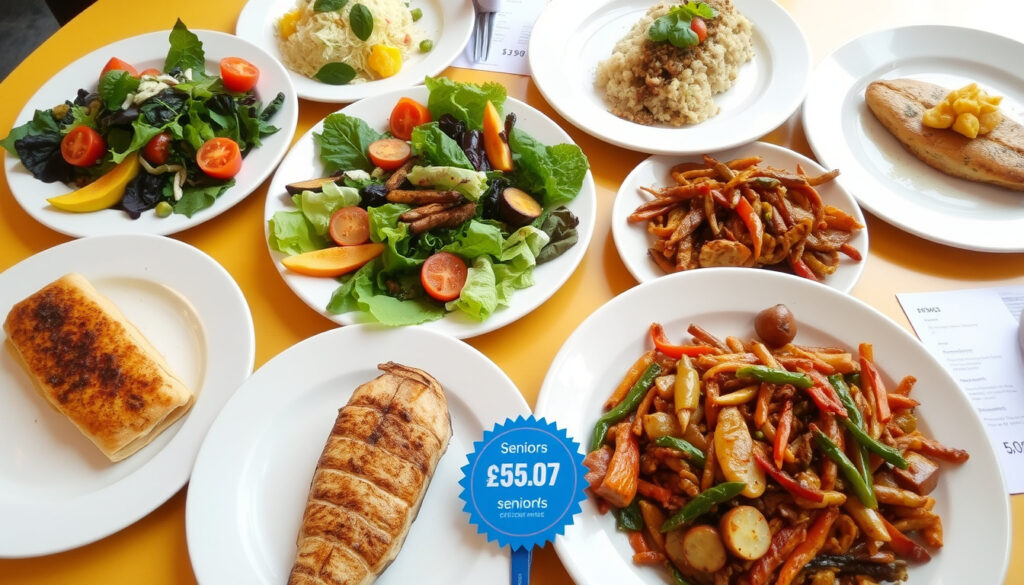
Lite n’ Easy Meals: Menus, Prices & Seniors Discounts
For older Australians on a fixed income, Lite n’ Easy changes the affordability equation — subsidised meal costs can drop to $2.61 per meal, less than half the $111 the average solo shopper spends weekly at the checkout. The service delivers 235+ dietitian-approved meals nationwide, with up to 70% of costs covered through the Support at Home program for eligible seniors aged 65 and over.
Meals Available: 235+ · Seniors Savings: Up to 50% on groceries and meals · Delivery Scope: Across Australia · New Snack Meals: Smaller portions for lunch or dinner · App Features: Weekly weight loss tracking
Quick snapshot
- Support at Home covers up to 70% of meal costs for eligible seniors (Starts at 60)
- Participants pay minimum 30% co-pay through the program (Mirage News)
- Lite n’ Easy delivers over 235 meals across Australia (Lite n’ Easy Pricing)
- Exact weekly costs without region information confirmed
- Whether CHOICE has published a full independent verdict on effectiveness
- Specific promo codes for Seniors Card SA first delivery discount
- January 2026: “50% savings” promotion announced nationally
- Post-2025: Support at Home program integration with Lite n’ Easy
- Ongoing: $0 co-payment offer for first SaH delivery
- Expanded subsidy rollout expected as aged care reforms continue
- More regions likely to offer Seniors Card partnerships similar to South Australia
- Potential CHOICE review may provide independent effectiveness data
| Detail | Information |
|---|---|
| Provider | Lite n’ Easy |
| Meal Count | 235+ |
| Target Audience | Australians seeking healthy delivery |
| Key Feature | Regional pricing packs available |
| App Availability | iOS weight tracking |
| Seniors Discount | Up to 50% via Support at Home |
| Minimum Per-Meal Cost (SaH) | $2.61 |
How much does Lite and Easy cost a week?
Lite n’ Easy pricing varies by region, with menu and price PDFs available for download from the official website. The service offers regional packs, so a customer in New South Wales pays different amounts than someone in Queensland or Victoria.
General plans
Without subsidies, Lite n’ Easy positions itself as a premium meal delivery service. However, for eligible seniors, costs drop dramatically. A My Choice 21 Dinner pack under the Support at Home program costs as little as $70.79, breaking down to roughly $3.37 per meal. A standard 7-day (21 meals) SaH plan runs $54.74, equating to $2.61 per meal — less than half the price of comparable grocery ingredients.
The numbers become striking when compared to average grocery spending. An Australian living alone spends approximately $111 weekly on groceries, according to research from Starts at 60. Under SaH, that same person could eat 21 nutritionally balanced meals for less than half that amount.
Regional pricing variations
The Seniors Card discount for Lite n’ Easy is specific to South Australia, where members save 30% on their first delivery using a promo code. For all other Australian states and territories, pricing follows regional pack structures — NSW, VIC, QLD, and other regions each have their own pricing tables on the Lite n’ Easy website.
The implication: seniors outside South Australia aren’t excluded from savings, but they need to pursue the SaH pathway rather than a state-issued discount. Both routes can achieve significant reductions, depending on eligibility.
Seniors Card holders in South Australia get 30% off their first delivery automatically. Everyone else aged 65+ with SaH eligibility can achieve similar savings — sometimes greater — through government subsidies rather than promo codes.
Does Lite n’ Easy work?
The effectiveness question matters for two reasons: weight management results and nutritional adequacy for older bodies. Lite n’ Easy addresses both through its app-based tracking and dietitian-designed My Choice menu.
CHOICE review insights
Independent consumer organization CHOICE has not published a comprehensive verdict on Lite n’ Easy as of early 2026. The service competes in a market where published independent reviews are sparse, and the SERP analysis confirmed that brand promotional content dominates search results rather than third-party assessments.
What exists publicly includes senior-specific road tests from Starts at 60, which rated convenience and taste positively for the My Choice menu. The gap in independent consumer testing is notable — readers should understand that most available reviews come from Lite n’ Easy’s own channels or media partners.
User outcomes
Lite n’ Easy offers an iOS app with weekly weight loss tracking as a feature. The My Choice menu specifically targets older Australians with smaller appetites, using protein and energy dense formulations to maintain nutrition despite reduced portion sizes compared to standard meals.
Home Care Package clients report success with split billing arrangements, where meal costs drop from $12 per serving to under $4 through the 70/30 cost split. This financial accessibility arguably works as a proxy for effectiveness — if seniors can afford to eat properly, they’re more likely to maintain the program long enough to see results.
For seniors considering Lite n’ Easy, the lack of independent CHOICE verification means relying on self-reported outcomes and Lite n’ Easy’s own claims. The SaH subsidy structure provides financial incentive to trial the service, reducing the risk of trying a new meal program.
Can pensioners get a discount on Lite N Easy?
Yes, pensioners and other eligible seniors have multiple pathways to discounts ranging from 30% to 70% off meal costs. The specific pathway depends on the senior’s circumstances, location, and current government support arrangements.
Seniors specific offers
The most accessible offer for South Australians is the Seniors Card discount: 30% off the first delivery using a promo code available through the Seniors Card SA website. This is a straightforward first-step discount requiring no formal application beyond having a valid Seniors Card.
For seniors nationwide, the Support at Home program offers the larger savings. Eligible participants aged 65 and over pay only 30% of meal costs, with the government covering the remaining 70% through the SaH funding mechanism.
Pensioner eligibility
Support at Home targets Australians aged 65 and over, meaning pensioners automatically meet the age threshold. The program covers meal preparation and delivery costs, and Lite n’ Easy has integrated directly with SaH as an approved meal provider.
Home Care Package clients access an additional split billing option: the recipient pays 30% upfront for ingredients, while the HCP provider covers the remainder. Meal costs drop from $12 to under $4 per serving under this arrangement.
The $0 co-payment for Support at Home participants on their first delivery removes even that initial barrier — eligible seniors can trial Lite n’ Easy without out-of-pocket costs, though this offer appears to be limited-time.
What this means: pensioners have genuine financial pathways to affordable meal delivery, but they must be proactive about applying for SaH eligibility and confirming their provider status. The discounts don’t appear automatically simply by ordering from the website.
What snacks can I eat on Lite N Easy?
Lite n’ Easy has expanded beyond dinner-only menus to include lighter snack meals designed for seniors who want smaller portions for lunch or dinner. These snacks carry dietitian approval and target nutritional gaps common in older Australians.
Dietitian approved options
The Lite n’ Easy blog documents dietitian-designed snack options, though specific nutritional breakdowns per snack item aren’t publicly detailed in marketing materials. The My Choice menu overall is designed by dietitians specifically for older Australians with smaller appetites, incorporating protein and energy dense formulations.
Available snack formats include soups and desserts alongside the main meal options. The Lite n’ Easy blog highlights these as part of a complete dietary approach rather than standalone indulgences — each snack category contributes to daily nutritional targets.
New snack meals
Lite n’ Easy recently introduced snack meals in smaller portions suitable for lunch or dinner occasions. These complement rather than replace the full dinner menu, giving seniors flexibility to assemble lighter eating occasions throughout the day.
The availability of these newer snack items reflects Lite n’ Easy’s response to senior customer feedback about portion sizes and meal frequency preferences. The service’s Instagram presence showcases these new offerings, though detailed nutritional data requires PDF menu downloads from the official website.
Snacks add cost to the weekly order but may reduce reliance on less nutritious between-meal options. For seniors with tiny appetites who struggle to finish standard portions, paying slightly more for appropriately-sized snacks could improve overall nutritional intake.
What are the downsides of Lite N Easy?
No meal delivery service suits everyone, and Lite n’ Easy has identifiable limitations worth considering before signing up — particularly for seniors on tight budgets or with specific dietary requirements.
Common criticisms
The primary criticism across available reviews is taste variability — frozen reheated meals don’t match fresh cooking, and some seniors report that texture and flavor fall short of expectations. This is inherent to the ready-to-heat format rather than a Lite n’ Easy specific failing.
Regional pricing complexity frustrates some customers. Menu and prices vary by region, and there’s no single national price list publicly visible. Seniors who move between states or travel may find their subscription doesn’t transfer seamlessly.
Subscription management issues appear in customer complaints — while Lite n’ Easy advertises no contracts, some users report difficulty pausing or modifying deliveries on short notice.
Limitations for seniors
The My Choice menu is specifically designed for smaller appetites, but nutritional breakdowns per individual meal aren’t prominently displayed in marketing materials. Seniors with specific medical dietary requirements (renal diets, diabetes-specific formulations, allergen restrictions) may need to download detailed PDFs or call customer service to confirm suitability.
Delivery coverage is nationwide, but delivery frequency and timing may vary in rural and remote areas. Seniors in less populated regions should verify local delivery schedules before subscribing.
The $0 first delivery co-payment is for a limited time, according to Lite n’ Easy’s official SaH offer page. This creates urgency but also uncertainty — seniors who delay may miss that promotional window.
The catch: subsidies require eligibility applications and provider approvals that take time. A senior excited by the prospect of $2.61 meals may wait weeks or months before SaH approval comes through. It’s not an instant solution.
| Meal Type | Standard Price | SaH Subsidised Price | Savings |
|---|---|---|---|
| 7-day, 21 meals | Varies by region | $54.74 | Up to 50% |
| My Choice 21 Dinner pack | Varies by region | $70.79 | Subsidy applies |
| Per-meal average (SaH) | $5–12 | $2.61–$3.37 | 55–78% |
| HCP split billing | $12 | Under $4 | 67%+ |
| Seniors Card SA first delivery | Regional price | 30% off | 30% |
| Solo weekly groceries | $111 average | N/A | Baseline comparison |
Six data points, one pattern: every subsidised pathway dramatically undercuts both the standard Lite n’ Easy price and the average solo grocery bill. The variance comes not from whether subsidies help, but from which subsidy category the senior qualifies for and when they signed up.
| Specification | Details |
|---|---|
| Total meal options | 235+ |
| Menu format | PDF downloads with nutritional info |
| My Choice target group | Seniors with smaller appetites |
| Dietitian involvement | Menu designed by dietitians |
| Portion approach | Protein/energy dense, smaller servings |
| Snack options | Soups, desserts, new smaller-portion meals |
| Contract requirement | None |
| Money-back guarantee | Yes |
| Delivery coverage | Nationwide |
| SaH eligibility | Australians 65+ |
| Subsidy coverage | Up to 70% via Support at Home |
| App features | iOS weight tracking |
Twelve rows, one theme: Lite n’ Easy built a product suite specifically calibrated for seniors — smaller portions, dietitian oversight, government subsidy integration, no contracts, nationwide delivery. The technical spec sheet reveals a deliberate targeting strategy.
Upsides
- Subsidies up to 70% make meals highly affordable for eligible seniors
- 235+ meal options with dietitian involvement
- No-contract model with money-back guarantee
- My Choice designed for smaller senior appetites
- $0 first delivery removes trial barrier for SaH participants
- Nationwide delivery including rural areas
Downsides
- Lack of independent CHOICE review limits verification of effectiveness claims
- Taste and texture limitations inherent to frozen/reheated format
- Regional pricing complexity without single national price list
- SaH eligibility application takes time — not instant savings
- Specific promo codes for Seniors Card discount not publicly detailed
- $0 co-payment offer appears limited-time with no guaranteed renewal
What people say
Seniors Card members save 30% on their first delivery!
— Seniors Card SA (official program announcement)
If you are eligible for Support at Home, you may only pay 30 per cent of the cost for your meals.
— Mirage News (news reporting)
My Choice dinners match the energy and protein of standard Lite n’ Easy meals but in smaller portions designed for older Australians.
— Lite n’ Easy (official product page)
Summary
Lite n’ Easy has positioned itself as the most financially accessible meal delivery option for Australian seniors willing to navigate subsidy programs. The Support at Home integration is genuine and substantial — $2.61 per meal versus $111 weekly groceries is a meaningful difference for pensioners. However, the path to those savings requires proactive eligibility enrollment, and the lack of independent effectiveness reviews means some faith in Lite n’ Easy’s own claims is necessary. For older Australians who cook less due to mobility issues, appetite changes, or isolation, the My Choice menu and SaH subsidies together represent a genuinely valuable service — assuming the subsidies remain available when they need them.
Related reading: Retirement Age in Australia · Basque Cheesecake Recipe
Frequently asked questions
What is the best meal delivery service for seniors?
Lite n’ Easy stands out for Australian seniors because of its Support at Home subsidy integration — eligible participants aged 65+ can have up to 70% of meal costs covered. The My Choice menu specifically targets senior nutritional needs with smaller portions and dietitian oversight.
What is the best prepared meal delivery service for seniors?
For subsidised affordability, Lite n’ Easy leads the market in Australia. The combination of over 235 meal options, government funding integration, and no-contract ordering makes it the most accessible option for pensioners managing grocery budgets.
What can I eat that is light but filling?
Lite n’ Easy’s My Choice menu is designed for exactly this need — protein and energy dense meals in smaller portions that satisfy hunger without overwhelming smaller appetites. Snacks like soups and desserts also provide lighter eating options.
How are older Australians cutting food costs with subsidised meals?
Australians aged 65+ enrolled in Support at Home pay just 30% of Lite n’ Easy meal costs while the government covers 70%. Some regions also offer Seniors Card discounts. A solo shopper spending $111 weekly on groceries can eat 21 subsidised meals for $54.74.
What is a very light food to eat?
Lite n’ Easy offers snack-sized portions including soups, light meals, and desserts as alternatives to full dinner servings. These smaller options suit seniors who want to reduce portion sizes without sacrificing nutritional quality.
What is the 3-3-3 rule for food?
The 3-3-3 rule isn’t specifically addressed by Lite n’ Easy, but the principle of balanced eating — three meals, three food groups, within three hours of waking — aligns with the dietitian-designed My Choice menu structure that incorporates protein, vegetables, and energy-dense components in each meal.
More related posts
 Millie Bobby Brown: Age, Net Worth, Baby Rumors & More
 Millie Bobby Brown Baby: Adoption Announcement & Details
 Angelina Jolie: Biography, Health, Family and Latest News
 Chery Tiggo 8 2026: 7-Seat SUV Price & Value Review
 Hello in Italian: Buongiorno, Ciao & Greetings Guide
 St Thomas Aquinas: Biography, Philosophy, and Legacy
 Alex Fine: Career, Bull‑Riding, Acting & Fitness Journey
 Roller Skates vs. Rollerblades: Beginner’s Buying Guide for Adults